
Distressed wood classic bookshelf furniture offers a unique blend of rustic charm and timeless elegance. These pieces, often crafted from reclaimed wood, bring a sense of history and character to any room. The distressed finish, achieved through various techniques, adds depth and texture, enhancing the natural beauty of the wood grain. This style complements a wide range of interior design aesthetics, from traditional to modern farmhouse, making it a versatile and sought-after choice for book lovers and design enthusiasts alike.
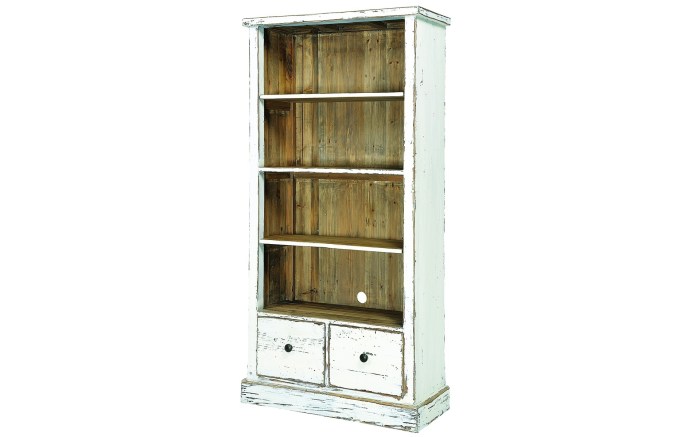
The appeal lies not only in the aesthetic but also in the durability and sustainability often associated with reclaimed wood. Each piece tells a story, reflecting the passage of time and the craftsmanship involved in its creation. Whether it’s a grand, multi-shelf unit or a smaller, more compact design, distressed wood classic bookshelves provide both functional storage and a visually striking focal point.
Classic bookshelves, imbued with the rustic charm of distressed wood, offer a unique blend of vintage aesthetics and modern functionality. This detailed guide explores the captivating world of distressed wood classic bookshelves, delving into their history, design elements, care, and the reasons behind their enduring popularity. We’ll also cover various styles, materials, and considerations for choosing the perfect distressed bookshelf for your home.
The Allure of Distressed Wood
The beauty of distressed wood lies in its ability to evoke a sense of history and character. Unlike pristine, polished wood, distressed finishes showcase the natural aging process, highlighting the wood’s grain, knots, and imperfections. This creates a unique patina that speaks volumes about the piece’s history, adding warmth and personality to any room. The process of distressing wood involves techniques like sanding, brushing, and sometimes even distressing chemicals to create a worn, antique look.
This deliberate aging process transforms ordinary wood into a captivating statement piece.
Types of Distressed Wood Finishes
- Lightly Distressed: This finish subtly hints at age, with minimal wear and tear, maintaining a relatively smooth surface.
- Moderately Distressed: Shows more pronounced wear, with visible scratches, dents, and variations in color, adding to its rustic charm.
- Heavily Distressed: This style showcases significant wear and tear, creating a dramatically aged look with deep grooves, chipped paint, and a heavily textured surface. This is often achieved through techniques that mimic the effects of centuries of use and exposure to the elements.
Styles of Distressed Wood Classic Bookshelves
Distressed wood bookshelves come in a wide array of styles, catering to diverse tastes and interior design preferences. Some popular styles include:
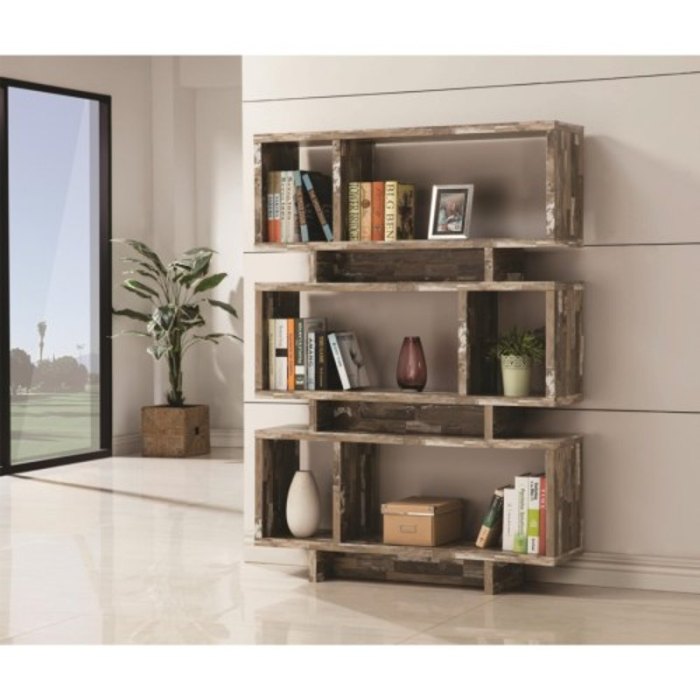
Traditional Styles
- Mission Style: Characterized by its simple, sturdy construction, often featuring dark wood stains and clean lines. Distressing adds a layer of warmth and character to this already classic style.
- Victorian Style: Ornate and detailed, Victorian bookshelves often feature intricate carvings and embellishments. Distressing can soften the formality of Victorian pieces, giving them a more lived-in feel.
- Shaker Style: Known for its minimalist design and functionality, Shaker bookshelves benefit from distressing by adding visual interest without compromising their clean aesthetic.
Modern and Contemporary Styles
- Industrial Style: Distressed wood paired with metal accents creates a raw, urban look. This style often incorporates reclaimed wood for an even more authentic distressed appearance.
- Farmhouse Style: This style emphasizes rustic charm and functionality, often using lighter wood stains and incorporating decorative elements like metal hardware or painted accents. Distressing enhances the homespun, comforting feel.
- Rustic Chic: A blend of rustic and modern elements, this style often features a mix of materials and textures, with distressed wood providing a grounding element.
Choosing the Right Distressed Wood Bookshelf
Selecting the perfect distressed wood bookshelf involves considering several factors:
Size and Dimensions
Measure your space carefully to ensure the bookshelf fits comfortably without overwhelming the room. Consider both the height and width, as well as the depth of the shelves to accommodate your book collection.
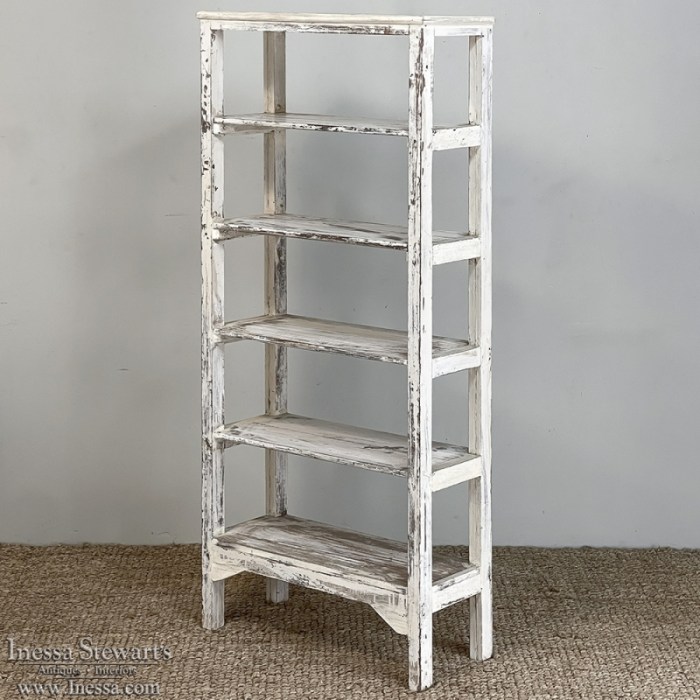
Wood Type, Distressed wood classic bookshelf furniture
Different wood types offer unique characteristics. Popular choices for distressed bookshelves include pine, oak, and reclaimed wood. Reclaimed wood, often salvaged from old barns or buildings, adds a unique history and character to the piece. Each wood type will have different durability and maintenance requirements.
Finish and Color
The finish and color of the distressed wood will significantly impact the overall aesthetic. Darker stains create a more dramatic and traditional look, while lighter stains offer a brighter, more contemporary feel. Consider the existing color palette of your room when choosing a finish.
Functionality
Think about how you plan to use the bookshelf. Do you need adjustable shelves? Do you need additional storage features like drawers or cabinets? Consider the number of books you intend to store and choose a bookshelf with sufficient capacity.
Caring for Your Distressed Wood Bookshelf
Proper care ensures your distressed wood bookshelf maintains its beauty for years to come. Avoid harsh chemicals and abrasive cleaners. Dust regularly with a soft cloth or duster. For more significant cleaning, use a damp cloth and a mild wood cleaner specifically designed for distressed finishes. Protect your bookshelf from direct sunlight and excessive moisture to prevent damage and color fading.
Regular polishing with a suitable wood polish can help maintain the finish and prevent drying.
Frequently Asked Questions (FAQs)
- Q: How much does a distressed wood bookshelf cost? A: Prices vary greatly depending on size, wood type, style, and craftsmanship. You can find options ranging from a few hundred dollars to several thousand.
- Q: Where can I buy a distressed wood bookshelf? A: You can find distressed wood bookshelves at various retailers, including antique shops, furniture stores, online marketplaces (like Etsy and Amazon), and specialty woodworking shops.
- Q: How do I clean a distressed wood bookshelf? A: Use a soft cloth or duster for regular dusting. For deeper cleaning, use a damp cloth and a mild wood cleaner, avoiding harsh chemicals. Always test any cleaning product on an inconspicuous area first.
- Q: Are distressed wood bookshelves durable? A: The durability depends on the wood type and the quality of craftsmanship. Solid wood bookshelves are generally more durable than those made from particleboard or MDF. Proper care and maintenance will extend their lifespan.
- Q: Can I refinish a distressed wood bookshelf? A: It’s possible, but it’s generally not recommended unless you’re experienced in woodworking. Refinishing could compromise the unique character of the distressed finish.
Sources: Distressed Wood Classic Bookshelf Furniture
- Wayfair (Example of a large furniture retailer)
- Overstock (Example of an online retailer)
- The Spruce (Example of a home decor website)
Find Your Perfect Distressed Wood Bookshelf Today!
Browse our curated collection of distressed wood classic bookshelves and discover the perfect piece to enhance your home’s charm and character. Click here to shop now!
Detailed FAQs
What types of wood are commonly used in distressed wood bookshelves?
Pine, oak, and reclaimed barn wood are popular choices due to their durability and ability to achieve a desirable distressed look.
How do I clean a distressed wood bookshelf?
Use a soft, dry cloth to dust regularly. For more stubborn marks, use a slightly damp cloth and mild soap, avoiding harsh chemicals.
How can I maintain the distressed finish?
Avoid excessive moisture and direct sunlight to prevent damage to the finish. Regular dusting is key to preserving its appearance.